A Weeknight Concert, With Tomorrow in Mind
A weeknight concert plan can protect your attention at the show and leave tomorrow manageable, with clear choices for timing, comfort and workday essentials.
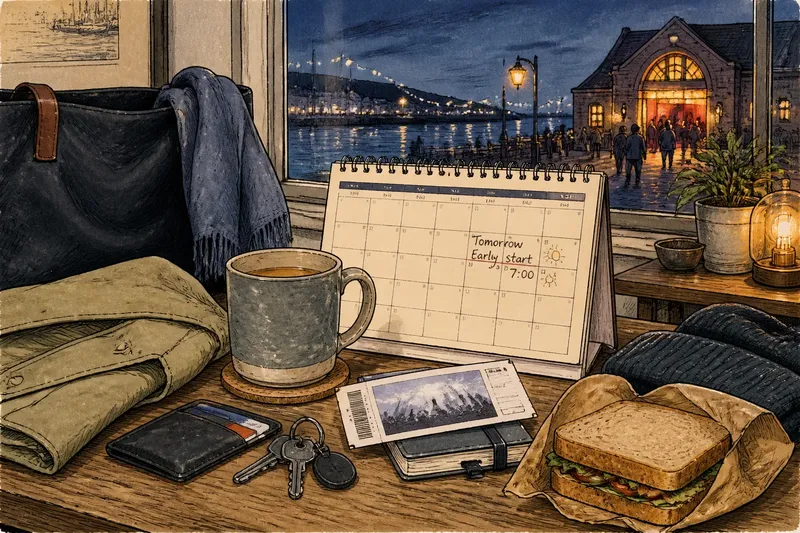
At the kitchen table, a ticket sits beside a half-finished cup of tea and an open calendar showing an early start tomorrow. A weeknight concert plan works best when it protects the music from the evening’s loose ends, rather than trying to make the night feel like a weekend.
Choose the evening’s centre
Decide what the concert needs to fit around, then let the rest of the evening take its cue from that. If work might run late, avoid booking a meal or meet-up that depends on leaving at a precise moment. A show can be the whole occasion; it does not need a string of add-ons to feel special.
That does not mean arriving with nothing to look forward to before the doors open. A familiar drink at home, a short walk to clear your head, or a few minutes listening to the band on the way can be enough. The useful distinction is between a small pleasure that steadies the evening and another appointment that makes it brittle.
Protect the listening
Some weeknight choices affect the concert itself more than they affect tomorrow. Check the venue’s rules for bags, coats and entry, then carry only what you will want close by. A pocket-sized ticket confirmation, payment card, keys and a light layer are often easier to manage than a work bag full of loose papers.
Think about how you want to experience the room, too. If you prefer to listen without checking notifications, silence them before the support act begins. If you are meeting someone, agree on a simple place to reconnect if you get separated, rather than exchanging messages through every set.
Not worth the effort: trying to plan the perfect sequence of songs, photo opportunities or social posts. Those little tasks can turn a live performance into a list of things to capture. Leave room for the sound, the room and whatever the crowd brings.
Spend energy deliberately
The question is not whether to conserve every scrap of energy; it is which effort makes the night better. Standing through a whole set may be part of the pleasure, while rushing across town for a fashionable supper may not be. Choose one or two comforts that matter to you, such as a seat if the venue offers one, an easy-to-remove layer, or a quiet pause before the doors open.
Say you have finished a busy workday and the venue is a small room near the harbour. You decide to take the direct bus rather than stop for dinner, eat a sandwich you packed at lunchtime before leaving the office, and keep your phone away during the headline set. The trade-off is a less elaborate evening; the expected result is that you arrive fed, settle into the performance and spend less attention managing errands.
That choice will not suit every show or person. A seated performance, a venue with a good café, or a rare chance to meet friends may make a different use of energy more rewarding. Treat comfort as a personal preference, not a test of how serious a fan you are.
Keep tomorrow contained
Before you leave, remove only the morning’s obvious snags. Put the clothes you need in one place, check that keys and work essentials are where you expect them, and deal with a time-sensitive task if one cannot wait. Then stop preparing. There is little benefit in turning the pre-show hour into an unpaid shift for tomorrow.
Set a modest landing routine for when you get home: put away anything damp, leave the ticket or coat where it will not cause a morning scramble, and let optional messages wait. The point is not to impose a bedtime ritual on a good night out. It is to avoid creating extra jobs while you are tired.
Which choices matter most?
Should you eat before a weeknight concert?
If the show falls near your usual mealtime, choose food that fits the actual schedule: a simple meal beforehand, or something familiar to eat before leaving work. Rely on venue food only if its availability and timing suit your plans.
How much should you arrange around the concert?
Choose the parts that add pleasure without competing for your attention. If a booking or meet-up would make you watch the clock, keep the evening simpler or move that plan to another day.
What should you set out for tomorrow?
Prepare the essentials that would otherwise make the morning awkward, such as clothes, keys or a work item. Leave optional chores for another time; the concert does not need to be followed by a late-night productivity session.
Is leaving before the last song a sensible choice?
It depends on what matters to you and how you feel during the show. If staying would make the return stressful, consider leaving when you are ready; if the music has your full attention and you have a workable way home, there is no need to leave just to follow a rigid rule.
Make the plan yours
A weeknight concert plan should make room for the particular show, not flatten every evening into the same routine. A loud standing room may call for different comforts from an acoustic set in a seated hall, and a familiar venue may need less thought than a new one.
Before you go, name the one thing you most want to remember about the evening: a song, the sound of the room, or the person beside you. Let that answer guide what you simplify. Tomorrow can have its own place in the calendar without taking up space in your head while the band is playing.